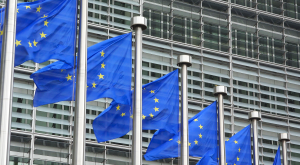
The EU Directive (EU) 2024/825 on empowering consumers for the green transition (abbreviated as EmpCo or ECGT) is an important piece of legislation enacted by the EU to combat greenwashing and regulate environmental claims.
Its core objective is to protect consumers from misleading marketing practices, enabling them to make more transparent and informed purchasing decisions, thereby fostering competition for genuinely sustainable products and practices. This Directive is not a standalone law, it takes effect by amending the existing Unfair Commercial Practices Directive (UCPD, 2005/29/EC) and the Consumer Rights Directive (CRD, 2011/83/EC).
Implementation Timeline
- The Directive officially entered into force on 26 March 2024.
- EU Member States must transpose the Directive into national law by 27 March 2026.
- The new rules will become fully applicable and legally binding for all companies operating in the EU market from 27 September 2026.
Core Prohibitions under the EmpCo Directive
The Directive explicitly lists the following categories of banned unfair commercial practices, which primarily amend and supplement the list of prohibited commercial practices in Annex I to the UCPD. The details are as follows:
I. Sustainability Labels
- Prohibition on displaying sustainability labels that are not based on a certification scheme or not established by public authorities.
II. Environmental Claims
- Generic environmental claims: Prohibition on making a generic environmental claim without proof of recognised excellent environmental performance relevant to the claim.
Examples of generic environmental claims include terms such as “environmentally friendly”, “eco-friendly”, “green”, “nature’s friend”, “ecological”, “environmentally correct”, “climate friendly”, “gentle on the environment”, “carbon friendly”, “energy efficient”, “biodegradable”, “bio-based”, or similar expressions that imply or create the impression of excellent environmental performance.
- Misleading overall claims: Prohibition on making an environmental claim about the entire product or the entire business when it concerns only a specific aspect of the product or a specific activity of the business.
- Carbon offsetting claims: Prohibition on claims that a product has a neutral, reduced, or positive impact on greenhouse gas emissions (e.g., “climate neutral”, “carbon neutral”) based on greenhouse gas emission offsets.
III. Claiming a Legal Obligation
- Prohibition on presenting a legal requirement that is mandatory for all products in a given product category in the EU market as a distinctive feature of the trader’s own product.
IV. Durability, Repairability and Software Updates
- Omitting to inform consumers that a software update will negatively affect the functioning of digital goods or the use of digital content/services.
- Describing software updates as necessary when they only enhance functionality features.
- Engaging in any commercial communication about goods that incorporate features introduced to limit durability, when the trader is aware of such features and their impact.
- Falsely claiming that goods have a specific durability in terms of usage time or intensity under normal conditions.
- Describing goods as repairable when they are not.
- Inducing consumers to replace consumables in goods earlier than technically necessary.
- Omitting to inform consumers that the functioning of goods will be impaired when using consumables, spare parts or accessories not provided by the original producer, or falsely claiming such impairment.
Recommendations
With less than a few months remaining before the full application of the new rules, It is recommended that relevant companies take immediate action to ensure product compliance.
- Implementation Plan:Develop an action plan for future environmental targets.
- Comprehensive Review:Systematically review all commercial communications involving environmental and sustainability claims. Identify and eliminate risky generic claims and self-created labels.
- Evidence Preparation:Establish an evidence file for each environmental claim that is to be retained, containing third-party certificate, traceability records or supporting testing data.
- Label Certification:Ensure that all sustainability labels used are based on third-party certification system.